ASHEVILLE, North Carolina — September 2, 2026 — Efforts by the Group of 20 major economies to reach a common position on global trade imbalances and sovereign debt are facing difficulties, with differences between member countries still preventing agreement on key language.
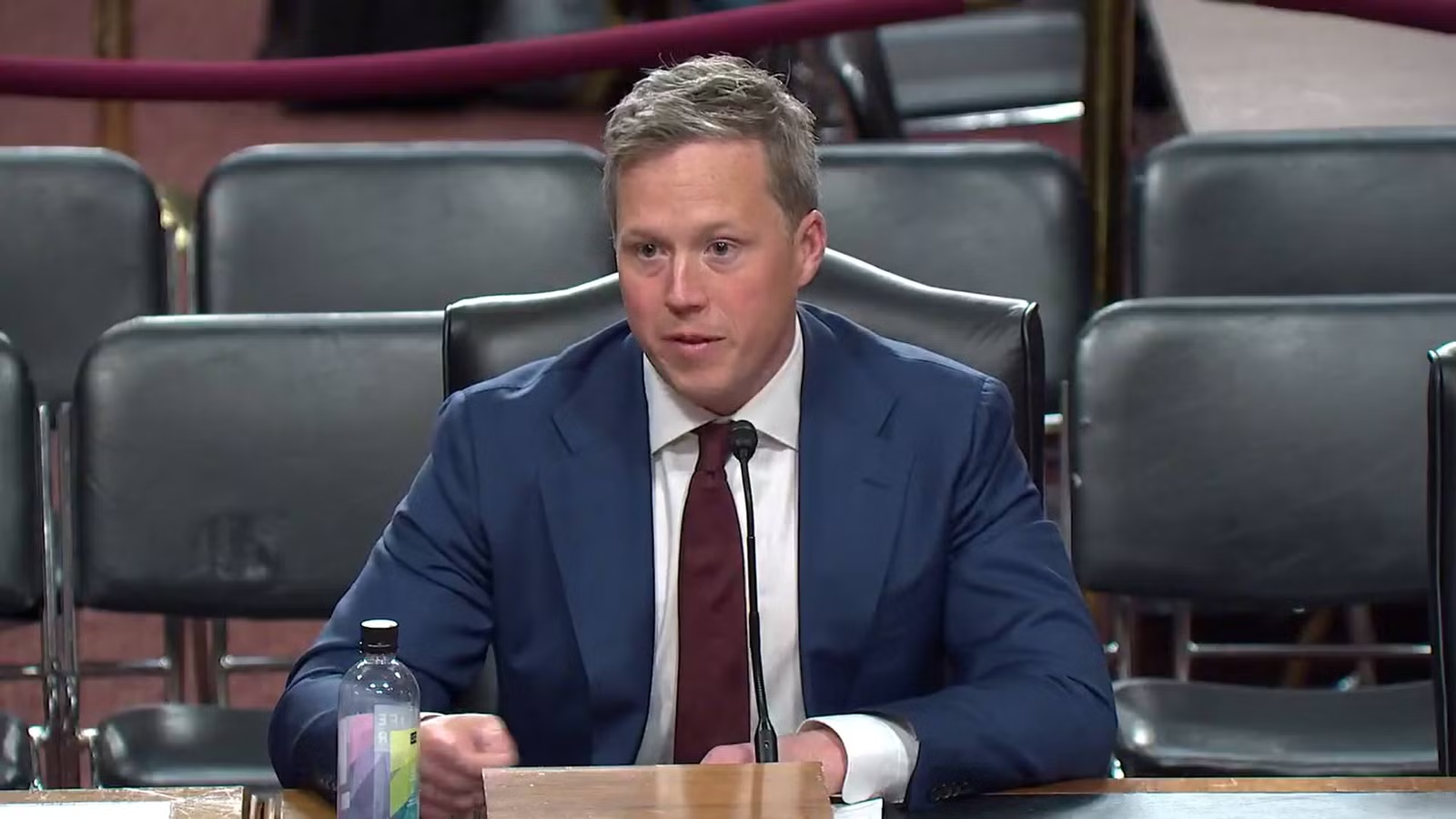
Erin Browne, the U.S. Treasury undersecretary for international affairs, said negotiations over a joint communiqué remained unresolved as finance ministers and central bank officials met in Asheville.
The United States has been pushing for stronger attention to economic imbalances, arguing that persistent trade and fiscal gaps can weaken global growth and increase financial risks.
Disagreement Over Economic Imbalances
One of the main challenges involves how the G20 should describe global trade imbalances.
Countries that consistently run trade surpluses and those that depend more heavily on imports have different views about the causes of the problem and how governments should respond. Those differences have made it difficult to agree on language that all members can support.
U.S. Treasury Secretary Scott Bessent has made reducing trade and fiscal imbalances a central part of Washington’s economic agenda. He has argued that these imbalances are preventing stronger growth across the global economy.
Browne said many G20 members recognize the issue as an important economic challenge, although there is still disagreement over how it should be addressed.
China Draws Attention
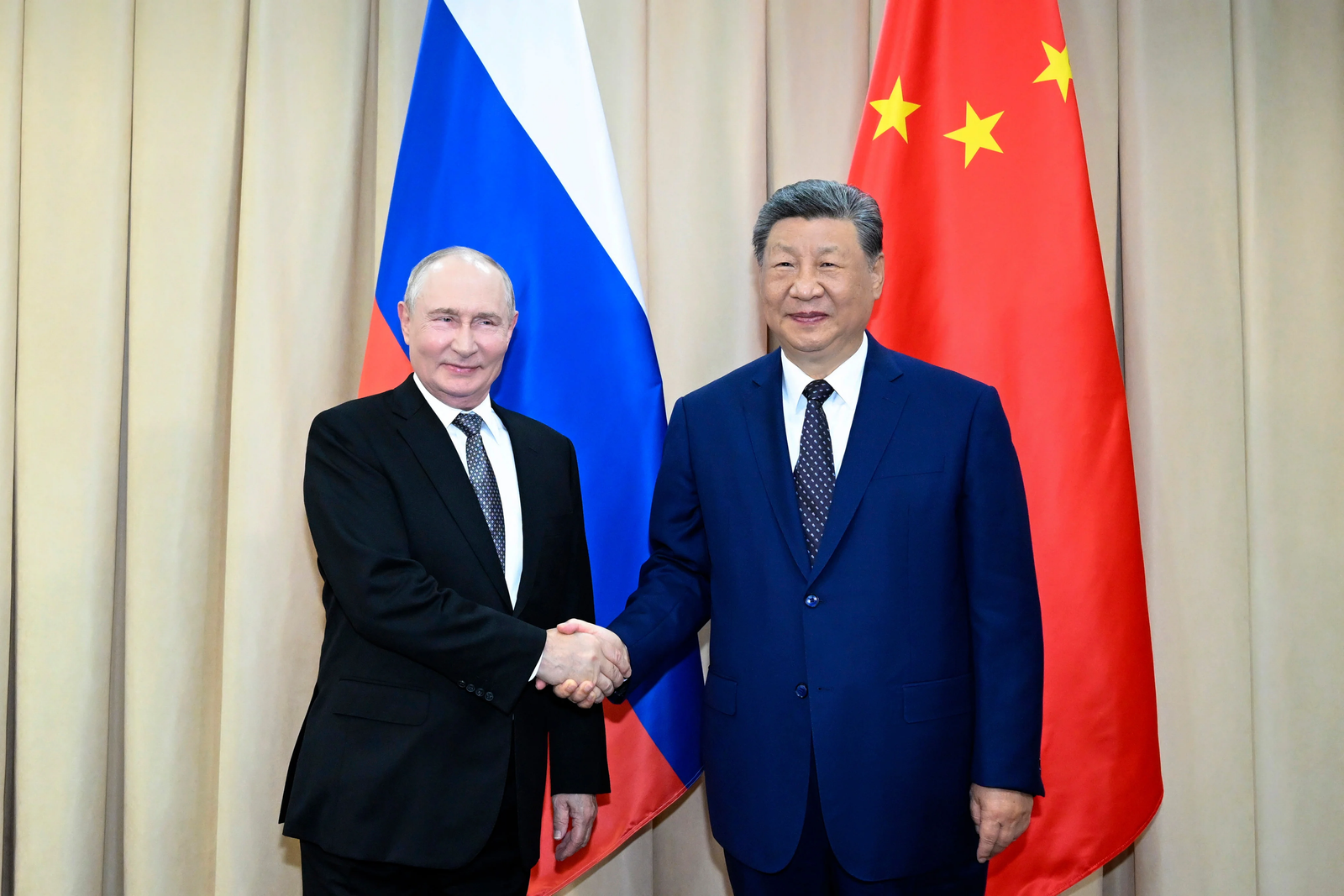
China’s position has emerged as an important part of the wider debate.
Browne did not disclose Beijing’s specific position during the negotiations. However, she said China is broadly regarded by many countries as a major contributor to global economic imbalances.
China’s large trade surplus and its role as a major exporter have long been points of discussion among international policymakers. The United States has increasingly argued that large and persistent imbalances can create economic vulnerabilities for other countries.
The disagreement reflects a broader divide between nations that emphasize domestic economic policies and those calling for greater adjustments in countries with large surpluses or deficits.
Sovereign Debt Adds Another Challenge
Debt restructuring is another difficult issue on the G20 agenda.
Many developing economies continue to face substantial debt burdens, limiting their ability to invest in infrastructure, public services and economic development. Reaching agreement on how creditors and borrowers should share responsibility for restructuring debt has proved complicated.
The United States wants the G20 discussion to address sovereign debt restructuring as part of a broader effort to improve financial stability.
However, achieving a common position among countries with different financial interests remains difficult.
Washington Prepared to Accept an Alternative
Browne indicated that the United States would not necessarily insist on a traditional joint communiqué if negotiations fail to produce language acceptable to Washington.
Instead, the meeting could conclude with a chair’s statement outlining the discussions.
That approach would allow the G20 to record the issues considered during the meeting without requiring every member to endorse the same wording.
For Washington, the priority appears to be ensuring that any final document reflects its economic objectives and the administration’s “America First” approach.
Financial Stability Concerns
U.S. officials have warned that unresolved economic imbalances could eventually create broader financial problems.
Large trade gaps, rising debt levels and growing economic dependencies can leave countries vulnerable when financial conditions suddenly change. A major disruption in one economy can also spread quickly through international markets because of the close connections between governments, banks and businesses.
Browne warned that failing to address these vulnerabilities could eventually contribute to a serious financial stability event.
That concern has increased the pressure on G20 officials to find areas of common ground even when countries disagree over the details.
A Difficult Test for the G20
The negotiations highlight the challenge facing the G20 as its members attempt to coordinate economic policy while pursuing very different national priorities.
The United States wants greater action on trade and fiscal imbalances. Other members have their own concerns about growth, debt, investment and access to international markets.
The disagreement does not necessarily mean the talks will fail. Negotiators can continue working on the language or settle for a less ambitious statement that records areas of agreement.
But the dispute demonstrates how difficult it has become for the world’s major economies to reach consensus on some of the most important issues facing the global financial system.
As the Asheville meetings continue, attention will remain focused on whether G20 officials can bridge their differences or whether the gathering will end with a more limited statement reflecting the areas where members were able to find common ground.